

Moving into a new home can be overwhelming for dogs. Everything feels unfamiliar—new smells, sounds, people, and routines. If you are wondering how to introduce dogs to new home environments, the key is to focus on patience, structure, and emotional comfort.
Whether you have adopted a rescue dog, brought home a puppy, or relocated with your pet, proper transition techniques can make the experience stress-free and positive.
Why Do Dogs Struggle in New Home Environments?
Dogs are creatures of habit. They rely heavily on familiar surroundings and routines to feel safe. When everything suddenly changes, they may experience stress or confusion.
Common reactions include:
- Hiding or avoiding people
- Excessive barking or whining
- Loss of appetite
- Restlessness or pacing
- Clingy behavior
These behaviors are normal during adjustment and usually improve with time and consistency.
How to Help Dogs Adjust to a New Home
Helping your dog feel comfortable in a new environment requires a gradual introduction process. The goal is to create safety, trust, and predictability.
Start With a Calm Entry
When you first bring your dog home, avoid loud introductions or crowded spaces. Keep the environment quiet and controlled.
Let your dog:
- Walk around freely at their own pace
- Sniff and explore rooms
- Observe without pressure
This helps reduce anxiety and builds confidence.
Keep Familiar Routines for Comfort
One of the most effective methods in how to introduce dogs to new home environments is maintaining routines from their previous life.
Dogs feel secure when they know what to expect.
Maintain consistency in:
- Feeding times
- Walk schedules
- Bedtime routine
- Play sessions
Even small familiar habits help reduce stress and improve adjustment speed.
Create a Safe Space for Your Dog
Every dog needs a dedicated “safe zone” in a new home.
This can be:
- A crate with soft bedding
- A quiet corner of a room
- A dog bed in a low-traffic area
Make this space comfortable and peaceful. Avoid disturbing your dog when they retreat there.
A safe space helps dogs recover from sensory overload during the first few days.
Introduce One Room at a Time
Instead of allowing full access to the house immediately, introduce your dog to one area at a time.
This prevents overwhelming stimulation and helps them build confidence gradually.
Suggested progression:
- One quiet room
- Nearby hallway or living area
- Kitchen or backyard
- Full home access
Slow exposure leads to better long-term adjustment.
How to Introduce an Adult Dog Into a New Home With Other Pets
If you already have dogs or cats, introductions must be carefully managed.
Step-by-step approach:
- Keep initial meetings short and controlled
- Use leashes for first introductions
- Allow pets to observe each other calmly
- Reward calm behavior with treats
- Avoid forcing interaction
Also Read More: Why Do Dogs Sleep With Their Bum Facing You?
Cats should always have escape routes and elevated spaces for safety.
What Is the Best Way to Reduce Anxiety in New Dogs?
Helping your dog relax emotionally is just as important as physical comfort.
Use positive reinforcement
Reward calm behavior with:
- Treats
- Gentle praise
- Soft petting
This builds positive associations with the new home.
Avoid punishment
Never scold a nervous dog. Fear-based reactions can increase anxiety and slow down adjustment.
Understanding the “Pack Comfort” Approach
Many experienced pet owners believe dogs adjust faster when they feel part of a stable “pack.”
This means:
- Spending time with your dog
- Providing leadership through calm behavior
- Being consistent and predictable
- Showing affection without overwhelming them
Dogs naturally seek guidance from their human caregivers.
Common Mistakes to Avoid During Transition
When learning how to introduce dogs to new home environments, avoiding mistakes is just as important as applying good techniques.
Avoid:
- Introducing too many visitors too soon
- Changing food suddenly
- Loud noises or chaos in early days
- Leaving the dog alone for long periods
- Forcing interaction with other pets
These can slow down the adjustment process significantly.
How Long Does It Take for a Dog to Adjust?
Every dog is different. Some adapt within a few days, while others may take several weeks.
Factors that affect adjustment include:
- Age of the dog
- Past experiences or trauma
- Personality type
- Home environment stability
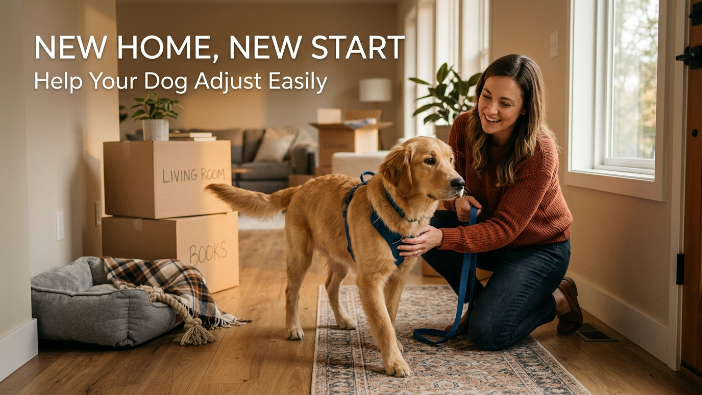
Rescue dogs or anxious breeds may require extra patience.
Signs Your Dog Is Settling In
You will know your dog is adjusting when you notice:
- Relaxed body language
- Eating regularly
- Exploring confidently
- Responding to their name
- Sleeping comfortably
These are positive indicators of emotional stability.
Final Thoughts
Learning how to introduce dogs to new home environments is all about patience, structure, and emotional reassurance. Dogs need time to understand that the new space is safe and permanent.
By maintaining routines, offering a secure environment, and introducing changes gradually, you can help your dog transition smoothly and confidently.
With care and consistency, your dog will soon feel at home, relaxed, and happy in their new surroundings.