
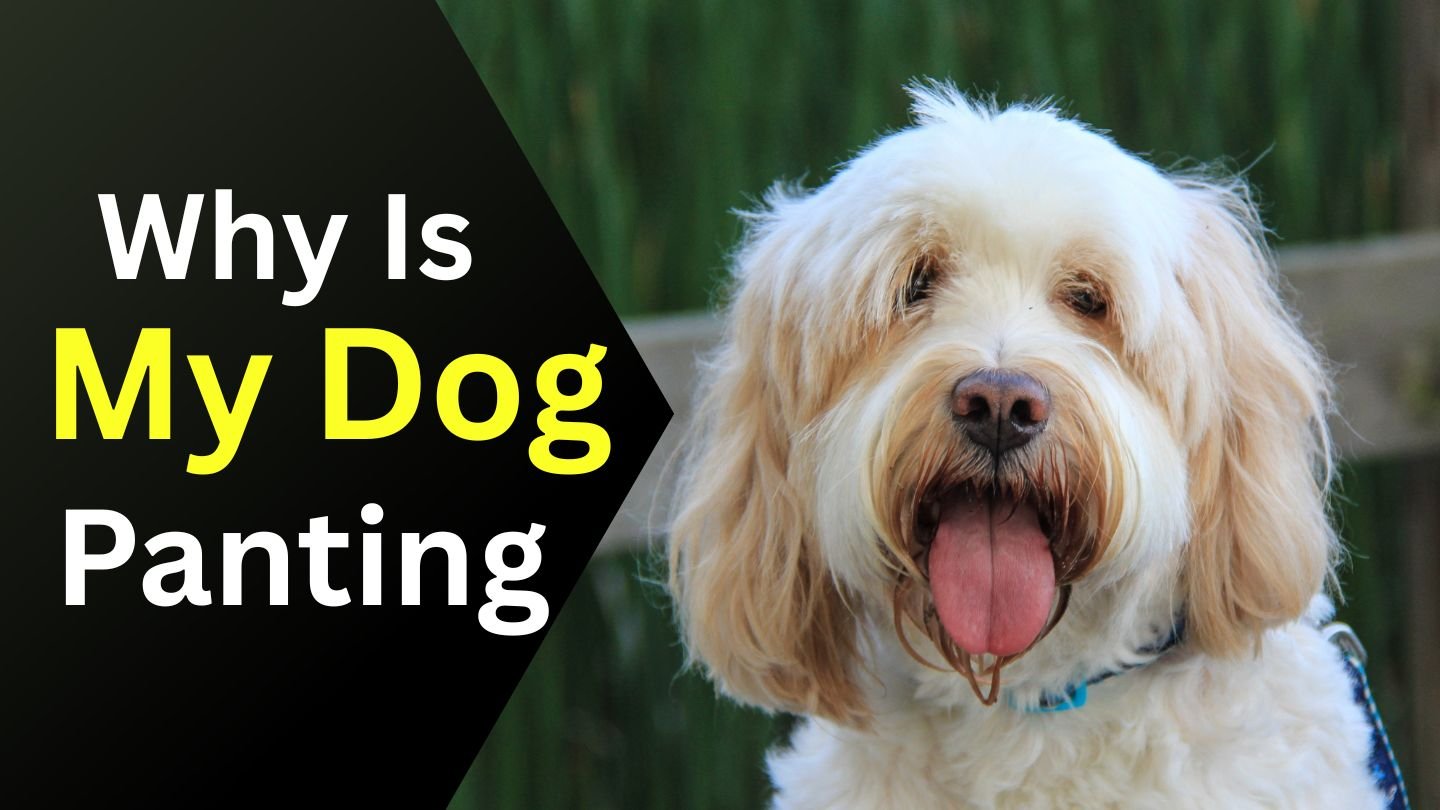
Why is my dog panting so much at night? Learn the real reasons behind nighttime panting, heavy breathing, and restlessness in dogs — and when to worry.
Your dog should be sleeping peacefully at night—but instead, you hear them breathing heavily, pacing, or drinking water excessively. Why is your dog panting at night so much?
While some panting is normal, heavy nighttime panting could point to something more serious—from anxiety and arthritis to heart or hormonal disorders. Understanding these signals early can help you keep your pup safe, calm, and comfortable.
As dog health researchers and pet owners with years of experience caring for senior and special-needs dogs, we know how distressing it is to see your companion struggle at night. Backed by veterinary sources, user experiences (Reddit, YouTube), and medical literature, this article offers both clinical accuracy and real-life guidance.
What Does It Mean When a Dog Pants at Night?
Dogs use panting to cool down and regulate temperature—much like how humans sweat. But when it happens at night—without any exercise or warm weather to blame—it’s often your dog’s way of quietly signaling that something deeper might be going on.
- Stress or anxiety
- Pain or discomfort
- Medical issues like heart or lung disease
- Heatstroke or poor ventilation
- Hormonal disorders (e.g., Cushing’s Disease)
Why Is My Dog Panting So Much at Night?
If you keep wondering, “Why is my dog panting so much at night?”—you’re not alone. Here are the most common reasons behind this worrisome behavior:
1. Stress, Separation Anxiety, or Night Frights
Nighttime can feel still, dark, and even a little unsettling for dogs—especially young pups or rescues. They might start panting from feeling lonely, hearing distant fireworks, or reacting to unsettling dreams.
Signs: Whining, restlessness, hiding, excessive water drinking.
2. Pain From Arthritis or Injury
Older dogs or breeds prone to joint issues often experience pain when lying down. They pant because they’re uncomfortable—even if they don’t yelp or limp.
Try: Orthopedic dog beds, joint supplements, or vet-prescribed NSAIDs.
3. Cushing’s Disease (Too Much Cortisol)
A common cause of heavy panting at night in senior dogs. Cushing’s causes cortisol buildup, which leads to panting, weight gain, thirst, and a pot belly.
Ask your vet for an ACTH stimulation test if symptoms persist.
4. Heart or Lung Conditions
Panting can be linked to poor oxygen circulation. If your dog pants heavily after minimal activity or coughs at night, heart or respiratory issues could be the cause.
Warning sign: Blue or gray gums indicate an emergency.
5. Overheating Indoors
Even at night, poor airflow or warm rooms can cause dogs to overheat—especially brachycephalic breeds like bulldogs or pugs.
Solution: Use fans, cooling mats, and plenty of fresh water.
6. Obesity
Extra weight can make nights harder for dogs. The added pressure on their joints and organs can lead to discomfort and panting as they try to rest.
Action: Portion-controlled feeding and low-impact exercise.
Also Read: why is my dog is limping
Why Is My Dog Heavy Panting at Night While Sleeping?
If your dog starts heavy panting during sleep, consider these possibilities:
- REM sleep dreams (brief and harmless)
- Pain flare-ups (e.g., from hip dysplasia)
- Chronic illness flare-ups
- Poor temperature regulation
If panting lasts more than 5–10 minutes or recurs nightly, consult your vet.
How to Calm a Panting Dog at Night
- 🧊 Cool the room: Use a fan or AC, and elevate the dog bed
- 💧 Hydration: Keep water nearby
- 🧘 Reduce anxiety: Try calming treats or vet-approved melatonin
- 🩺 Address pain: Consult your vet about hidden health issues
- 🧠 Mental stimulation: Enrichment toys during the day improve sleep quality
When to Call the Vet
Contact your vet if your dog shows any of the following signs along with panting:
- Coughing, wheezing, or blue gums
- Loss of appetite or vomiting
- Restlessness lasting several nights
- Sudden weight gain or bloating
- Confusion or pacing (may indicate canine dementia)
Why Do Dogs Pant?
Dogs pant habitually from time to time, and this behavior is often exaggerated in cartoons—usually showing a hungry pup eagerly waiting for a bone or a juicy steak. But in real life, panting serves several important functions beyond just cartoonish cravings.
Common Reasons Why Dogs Pant
Panting is a normal behavior in dogs, and in many cases, it’s nothing to worry about. However, there are situations where panting can signal distress or discomfort. Understanding the context is key. Here are some common reasons dogs pant:
- Cooling Down (Thermoregulation):
Dogs don’t sweat like humans. Instead, they regulate body temperature by panting, especially in warm weather or after exercise. - Excitement or Stimulation:
Panting can occur when dogs are happy, playful, or stimulated—like during a car ride or while meeting new people or pets. - Pain or Discomfort:
A dog in pain may pant excessively. This could be due to an injury, underlying illness, or internal discomfort. - Medical Conditions:
Certain health issues—like heart problems, respiratory disorders, Cushing’s disease, or fever—can cause excessive panting. - Medication Side Effects:
Some drugs may lead to panting as a side effect, especially steroids like prednisone.
If your dog is panting excessively, especially during rest or at night, it may be worth consulting your vet to rule out any underlying health or behavioral issues.
FAQs: Why Is My Dog Panting at Night?
❓Why is my female dog panting at night?
It could be hormonal (heat cycle, pregnancy) or due to anxiety or pain. If she’s spayed and not in heat, consider other causes like joint discomfort or illness.
❓Why is my dog panting while resting or sleeping?
Dogs pant in sleep due to pain, overheating, or dreaming. If it’s frequent or accompanied by other symptoms, seek veterinary help.
❓What are natural remedies for dog panting at night?
Try cooling mats, CBD for pets, dog-safe herbal teas, and anxiety wraps like the Thunders Hirt. But always rule out medical issues first.
❓Can old age cause nighttime panting?
Yes, senior dogs pant more due to arthritis, Canine Cognitive Dysfunction (doggy dementia), or weakened organs.
Final Thoughts
If you’re still asking, “Why is my dog panting at night?”—listen to your gut. While some panting is normal, persistent heavy panting at night deserves attention. It might be your dog’s way of saying, “I need help.”
Staying alert, keeping your pup comfortable, and working with your vet can make all the difference.