
Every dog owner wants a happy, healthy, and well-behaved companion. But sometimes, unneutered male dogs start to display behaviors that make daily life more stressful—for both you and your pet. From aggression to roaming, marking, or humping, these behaviors are often driven by hormones. Recognizing the signs your dog needs to be neutered can help you make an informed decision that benefits your dog’s health, behavior, and overall well-being.
Neutering is not just about preventing unwanted litters; it can also reduce risks of health problems and improve your dog’s behavior. In this guide, we’ll break down the key signs to look for, explain the effects of neutering a dog, and share practical tips for recovery if you decide to go forward with the procedure.
Why Neutering Matters for Male Dogs
Many owners wonder, “Should male dogs be neutered?” While it’s a personal choice, veterinarians often recommend neutering to prevent health complications, curb undesirable behaviors, and avoid accidental breeding. Neutering, also called castration or “getting fixed,” involves surgically removing the testicles. It’s a common, safe procedure when performed by a licensed veterinarian.
Key Signs Your Dog Needs Neutering
1. Aggressive Behavior
Unneutered male dogs are more prone to aggression, especially toward other male dogs. This can make walks, dog park visits, and even daily interactions stressful. By neutering your dog, you can reduce hormone-driven aggression and help your dog become calmer and more social.
2. Marking Territory
If your dog frequently urinates indoors or outdoors to mark territory, hormones are often to blame. This behavior can be frustrating inside the home and embarrassing in public spaces. Neutering can dramatically reduce or eliminate excessive marking.
3. Roaming or Escaping
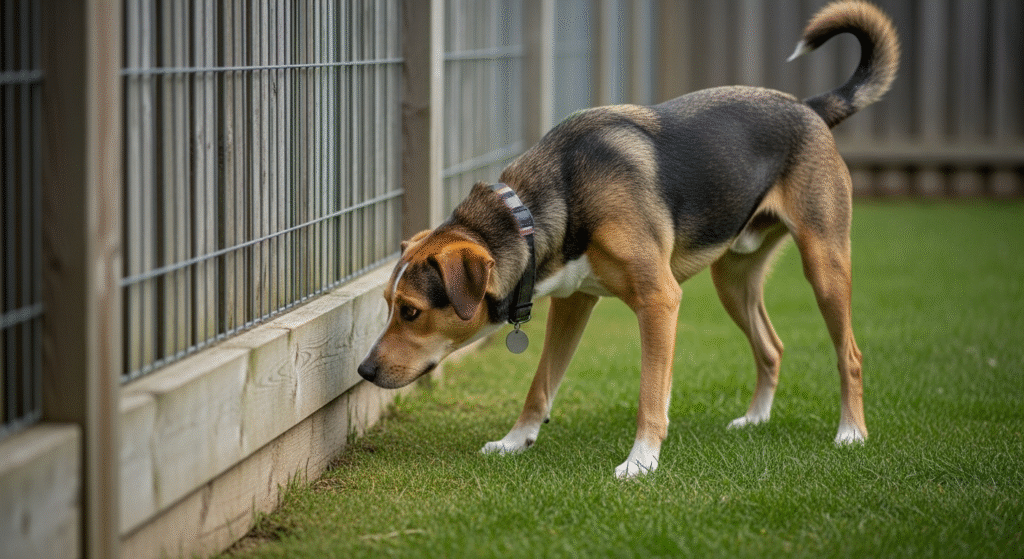
Intact males have a strong instinct to find a mate. This often leads to attempts to escape from the house, yard, or leash. Roaming is dangerous—it increases the risk of accidents, injuries, and even getting lost. Neutering helps reduce this urge, making your dog safer and easier to manage.
4. Excessive Humping or Mounting
Whether it’s furniture, toys, people, or other dogs, excessive humping can be embarrassing and frustrating. While training is important, neutering can lower hormone-driven mounting behaviors, making it easier to redirect your dog’s energy toward play and exercise.
5. Preventing Unwanted Litters
If you’re not planning to breed your dog, neutering is essential. Millions of dogs end up in shelters each year in the U.S., and many of these situations could be avoided with responsible spaying and neutering. By neutering your dog, you’re actively helping reduce the stray population.
6. Health Benefits of Neutering
Neutering doesn’t just improve behavior—it also helps prevent serious health conditions such as:
- Testicular cancer (completely eliminated after neutering)
- Enlarged prostate or prostate disease
- Certain perianal tumors
- Lower risk of urinary tract infections
In the long run, neutering can extend your dog’s lifespan and improve quality of life.
Effects of Neutering a Dog
Owners often ask about the effects of neutering a dog. Here’s what to expect:
- Behavioral Changes: Many dogs become calmer and less aggressive after being neutered.
- Reduced Roaming & Marking: Hormonal urges decrease, which means fewer escape attempts and less territory marking.
- No Impact on Personality: Your dog will still be playful, loving, and full of personality—neutering doesn’t change who they are.
- Possible Weight Gain: Some dogs may gain weight post-surgery. Regular exercise and a balanced diet can prevent this.
Male Dog Neuter Recovery
After surgery, proper care is essential to ensure a smooth dog recovery from neutering.
- Rest is Key: Limit activity for about 7–10 days. Avoid running, jumping, or rough play.
- Cone of Shame: Use an e-collar to prevent licking or chewing at the incision.
- Monitor the Incision: Look for swelling, redness, or discharge. If anything looks unusual, call your vet immediately.
- Pain Management: Follow your veterinarian’s instructions for pain relief and medication.
- Return to Normal: Most dogs bounce back quickly, resuming normal activities within two weeks.
How Are Male Dogs Neutered?
The procedure itself is straightforward. Your dog will be placed under anesthesia, and the vet will make a small incision to remove the testicles. The surgery usually takes less than 30 minutes, and most dogs go home the same day. With proper care, recovery is smooth, and complications are rare.
Real-Life Examples: When Owners Change Their Mind
Some owners are hesitant about neutering. For instance:
- One owner had a 7-year-old intact male dog who developed a perianal tumor caused by testosterone. Neutering became necessary to treat the condition.
- Another family with a golden retriever noticed no behavior issues but chose to discuss neutering with their vet during a routine check-up.
These examples show that while not every dog shows obvious problems, neutering can sometimes prevent serious health issues later in life.
FAQs About Neutering Male Dogs
Q: My dog was never neutered and is 8 years old, healthy, and calm. Should I still neuter him?
A: If your dog is not showing problem behaviors and is healthy, neutering may not be urgent. However, consult your vet about long-term health risks like prostate issues or tumors.
Q: My young dog doesn’t mark indoors or show aggression. Do I really need to neuter him?
A: Every dog is different. If your dog isn’t displaying problematic behaviors, you may choose to wait. Still, neutering offers health benefits worth discussing with your vet.
Q: Will neutering change my dog’s personality?
A: No. Neutering reduces hormone-driven behaviors but does not change your dog’s playful, loving nature.
Q: How long does male dog neuter recovery take?
A: Most dogs recover in 7–14 days with proper rest and care. Always follow your vet’s aftercare instructions.
Final Thoughts
Recognizing the signs your dog needs to be neutered is an important part of responsible pet ownership. From reducing aggression to preventing serious health problems, neutering offers many benefits for both dogs and their families. While the decision is personal, consulting your veterinarian will help you make the best choice for your pet’s health, happiness, and safety.