

Ticks are tiny parasites, but for dog owners, they can be a huge problem. These blood-sucking pests latch onto a dog’s skin and, if unnoticed, burrow in deeply. A fully embedded tick on a dog doesn’t just cause discomfort — it can also spread dangerous illnesses such as Lyme disease, ehrlichiosis, or Rocky Mountain spotted fever. That’s why learning how to safely remove a tick from your dog is an essential skill every pet parent should have.
Many owners make the mistake of trying to pull ticks out with their fingers or using home remedies like oil, nail polish, or even fire. While these might seem quick, they often make things worse. The right way to handle embedded tick on dog removal is safe, calm, and careful. In this guide, we’ll walk you through proven steps to keep your dog safe and healthy.
Why Ticks Are Harmful to Dogs
Ticks aren’t just a nuisance. They:
- Pierce the skin and feed on blood, causing irritation and inflammation.
- Can stay hidden for days, especially deeply embedded ticks on dogs that are hard to spot.
- Transmit harmful bacteria and parasites that can lead to serious diseases.
- Cause infections if parts of the tick remain lodged under the skin.
This makes removing ticks from a dog’s skin quickly and properly critical for your dog’s health.
How to Safely Remove a Fully Embedded Tick from a Dog
If you’ve discovered a fully embedded tick on your dog, don’t panic. Here’s the safest step-by-step method:
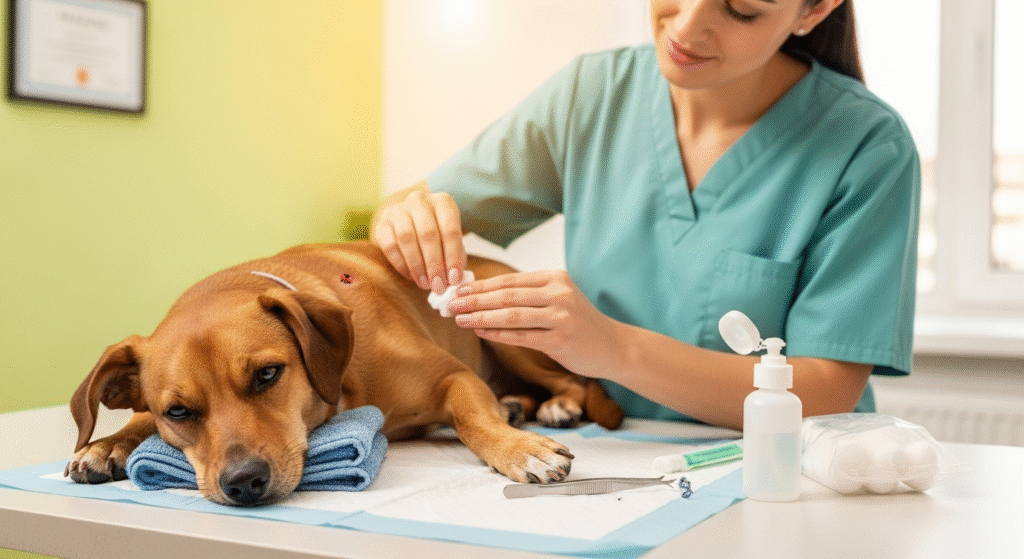
- Prepare Your Supplies – Fine-tipped tweezers or a tick removal tool, gloves, antiseptic solution, cotton balls, and a small container with rubbing alcohol.
- Keep Your Dog Calm – Have someone gently hold your dog, or distract them with treats. Dogs can sense your stress, so staying calm helps.
- Locate the Tick Closely – Part the fur around the tick. Look carefully to see where it is attached to the skin.
- Grip the Tick Properly – Use tweezers to grasp the tick as close to your dog’s skin as possible, avoiding the body. This reduces the risk of breaking the tick.
- Pull Steadily, Not Quickly – With firm, even pressure, pull the tick straight out. Don’t twist, crush, or yank. This ensures the entire tick, including the head, comes out.
- Clean the Bite Area – After removal, disinfect the bite with antiseptic.
- Dispose of the Tick Safely – Place the tick in alcohol to kill it before discarding.

By following these steps, you’ll avoid common mistakes when pulling a tick off dogs, such as leaving parts embedded or spreading bacteria.
What to Avoid During Tick Removal
Pet parents often try quick fixes, but many can cause harm:
- ❌ Don’t use petroleum jelly, nail polish, or oils to suffocate ticks. They can release harmful bacteria into your dog.
- ❌ Don’t burn the tick with fire or chemicals — this is unsafe and ineffective.
- ❌ Don’t squeeze the tick’s body. This can push infected fluids into your dog’s bloodstream.
When to Call the Vet
Even after successful tick on a dog removal, you may need professional help. Call your vet if:
- The tick’s head or mouthparts are stuck in the skin.
- The bite becomes red, swollen, or infected.
- Your dog develops symptoms such as fever, loss of appetite, vomiting, or lethargy.
- You live in a region where tick-borne diseases are common.
Veterinarians have specialized tools for embedded tick on dog removal and may run tests if your dog shows signs of illness.
Preventing Future Tick Infestations
The best way to avoid the stress of getting ticks off my animals is prevention. Here’s how to protect your dog:
- Tick Preventive Products – Use vet-recommended spot-on treatments, oral medications, or tick collars.
- Regular Grooming – Brush and inspect your dog after outdoor walks, especially under the collar, in the ears, armpits, and between toes.
- Bathing – Use tick-control shampoos if you live in a tick-heavy area.
- Yard Care – Keep your lawn trimmed and bushes clear to reduce tick habitats.
- Routine Vet Checkups – Regular vet visits can catch tick-related health issues early.

Final Thoughts
Dealing with a fully embedded tick on a dog can feel overwhelming, but with the right steps, you can safely and effectively remove it. Always act calmly, use proper tools, and avoid dangerous home remedies. Prevention is just as important — keeping ticks away means fewer health risks for your furry friend.
Your dog depends on you for care and protection. With a little patience and preparation, you’ll handle removing ticks from a dog’s skin confidently and keep your pup happy, healthy, and tick-free.